Exploring the Flavors of Kyoto: A Culinary Journey into Cuisine, Culture, and Lifestyle
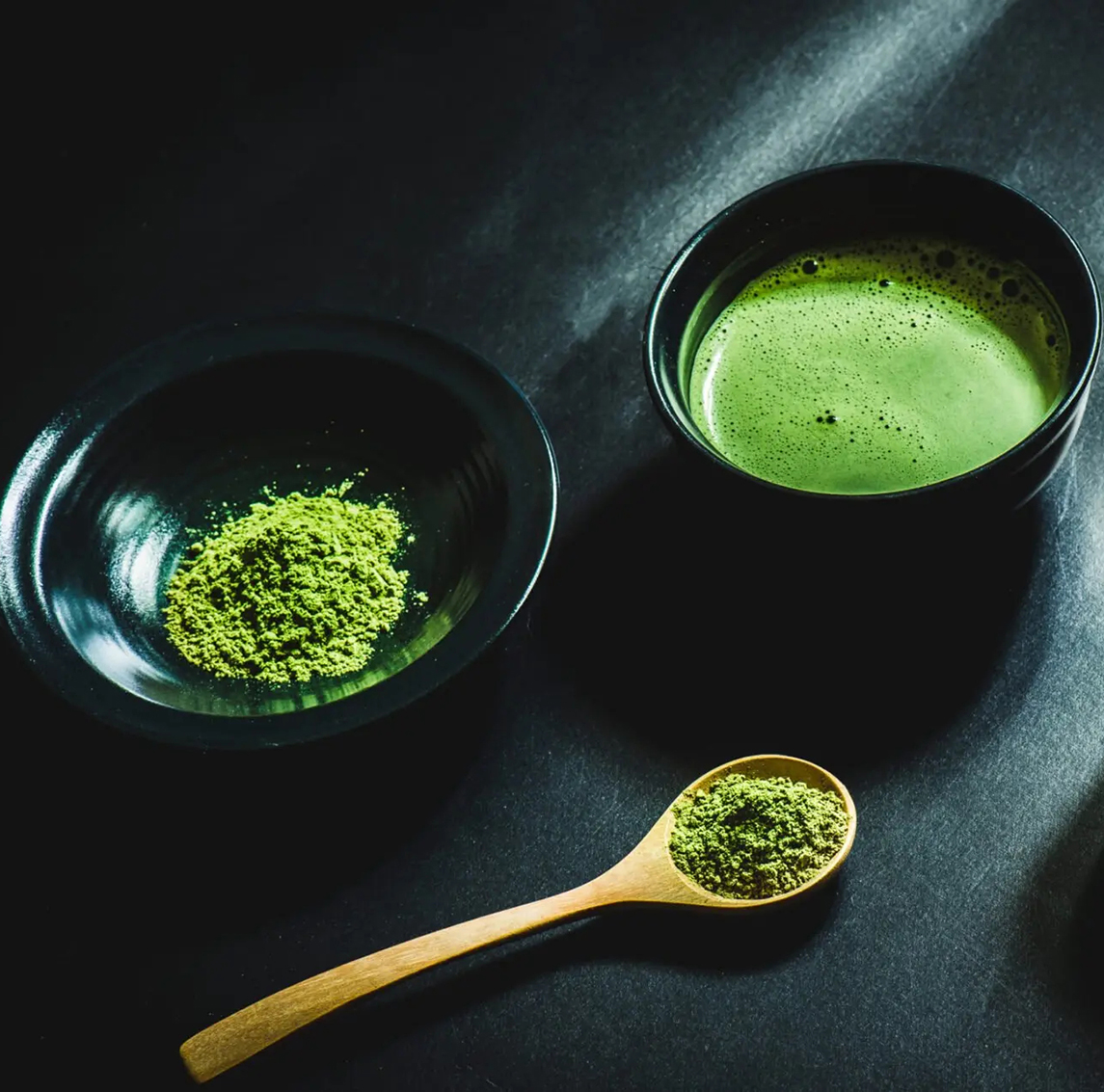
I have always believed that food is one of the most direct ways to get to know a city.
Kyoto is home to not only ancient temples and traditional streets but also a captivating culinary culture. From exquisite kaiseki (traditional multi-course) cuisine to unique desserts and street snacks, every flavor reflects the city’s history and way of life.
When I first visited Kyoto, I initially intended to try just a few popular restaurants; however, as I explored further, I discovered a culinary scene far richer than I had imagined. For me, the greatest surprise of the trip was experiencing the city’s unique cultural charm through its diverse cuisine.
Kyoto Cuisine: A Culinary Culture Blending Seasonality and Tradition
Upon arriving in Kyoto, the most striking impression I had was the cuisine’s profound emphasis on the “sense of the seasons.”
While Japanese cuisine generally prioritizes seasonal ingredients, Kyoto—a city steeped in long-standing tradition—takes this philosophy to the highest level.
When dining in Kyoto, I often noticed the meticulous care put into the plating, color coordination, and even the choice of tableware. This experience made me realize that Kyoto cuisine is not merely about satisfying the palate; it is an expression of an aesthetic lifestyle.
Kaiseki cuisine, in particular, left a deep impression on me. Unlike ordinary meals, kaiseki is a holistic experience. From appetizers, soups, and main courses to desserts, every dish follows a deliberate rhythm. Chefs adjust the menu according to the season, ensuring that guests visiting at different times of the year can enjoy distinct flavors.
Although kaiseki tends to be expensive, it is an experience well worth trying for anyone wishing to gain a deeper understanding of Kyoto’s traditional culinary culture.
A Must-Try in Kyoto: Matcha Desserts and Tea Culture
When discussing Kyoto’s food scene, matcha is an essential topic. With its long-standing tea culture, the region boasts numerous dessert shops dedicated to matcha.
My first taste of Kyoto matcha desserts revealed a distinct difference from ordinary sweets. Kyoto matcha offers a richer, more intense flavor with a hint of bitterness that balances perfectly with the sweetness.
During my trip, I sampled various types of matcha treats: matcha ice cream, matcha cake, matcha pudding, and matcha wagashi (traditional Japanese confections).
Among them, the traditional wagashi left the deepest impression on me. Unlike Western-style desserts that emphasize rich textures, these treats focus more on visual appeal, seasonal themes, and the overall experience of pairing them with tea.
Sitting in a quiet teahouse, sipping tea while savoring matcha-flavored sweets, is—in my view—a quintessential Kyoto travel experience.
Nishiki Market: Exploring the Everyday Flavors of Kyoto
If you are looking for a more relaxed and down-to-earth culinary experience in Kyoto, Nishiki Market is an excellent choice. Unlike high-end restaurants, the food here feels much closer to the rhythms of daily life.
When I first visited Nishiki Market, I was captivated by the sheer variety of goods on offer. It features not only fresh ingredients but also plenty of snacks perfect for tourists to try. I love strolling through the market and exploring the different stalls along the way.
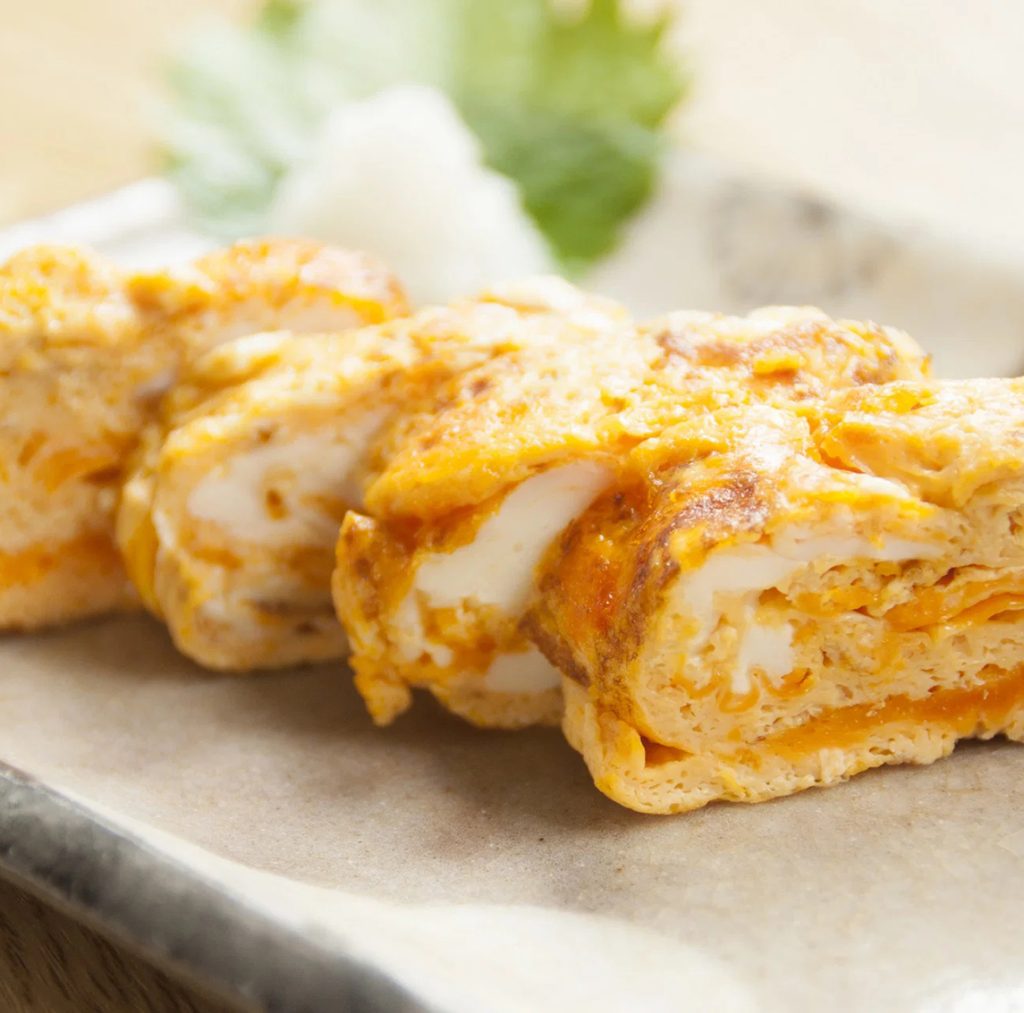
While the portions of these specialty snacks may be small, they offer a wonderful taste of the local culture. Examples include Japanese rolled omelets (tamagoyaki), seafood snacks, Kyoto-style pickles, and traditional confections. To me, the market’s greatest charm lies in how it reveals a different side of life in Kyoto.
It is more than just a shopping destination for tourists; it is an integral part of the local food culture. By observing how vendors run their businesses and watching the interactions between tourists and locals, you can get a real sense of the city’s authentic atmosphere.
The Kyoto Ramen Experience: Modern Flavors in a Traditional City
Although Kyoto is renowned for its traditional cuisine, it also boasts a wealth of modern dining options. Ramen is one such experience that many visitors enjoy.
Kyoto ramen has its own unique character compared to varieties found in other regions. Different shops put their own spin on the broth, toppings, and texture of the noodles.
During my trip, I tried ramen at several shops, each with its own distinct style. Some offered rich, robust flavors—perfect for those who prefer bold tastes—while others were lighter and more refreshing, ideal for visitors wanting to experience a typical local meal.
What I found fascinating was how a city as traditional as Kyoto so readily embraces modern culinary culture. Here, tradition and innovation do not clash; instead, they coexist harmoniously.
The Kyoto Breakfast Experience: Getting a Taste of Local Life with a Simple Morning Meal
Many visitors to Kyoto focus primarily on lunch and dinner, but I believe breakfast is an experience well worth having.
The atmosphere in Kyoto on a quiet morning is truly special. With the streets relatively peaceful and fewer tourists around, it is the perfect time to ease into the day’s itinerary. During my travels, I enjoy seeking out local coffee shops or traditional breakfast spots. A simple breakfast—such as a Japanese-style set meal with rice, miso soup, and side dishes, or perhaps handmade bread and coffee—allows me to feel the rhythm of life in Kyoto. I prefer this way of gradually immersing myself in the city over rushing through an itinerary.
Sometimes, a single breakfast serves as a window into the local culture.
Gion and Traditional Restaurants: Experiencing Kyoto’s Evening Dining Atmosphere
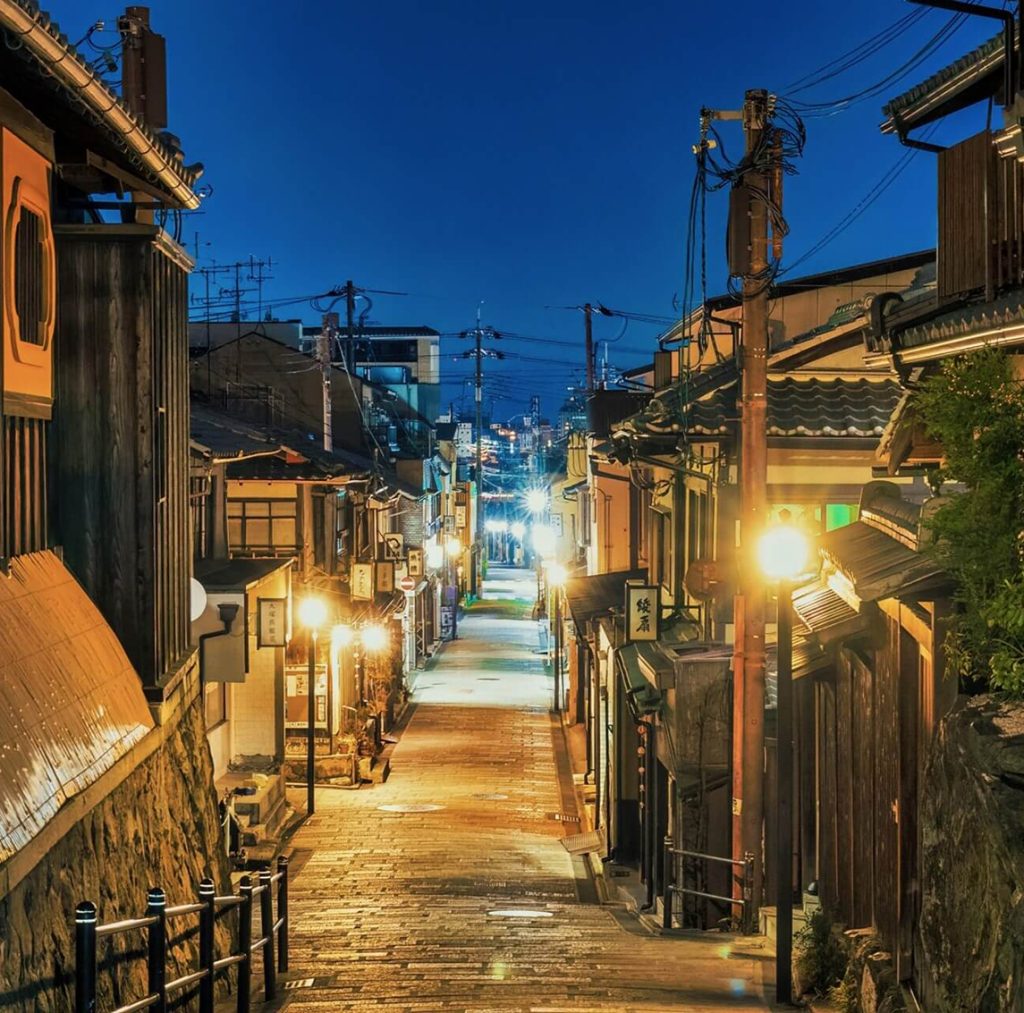
The Gion district takes on a special charm at night. While the area teems with tourists during the day, the traditional architecture and streetlights create a much quieter, more serene atmosphere after dark.
Gion is an excellent choice for experiencing traditional Kyoto dining. The area is home to numerous restaurants tucked away in narrow alleyways; while some are small in scale, they place immense importance on the quality of the cuisine and the overall dining experience.
I love these kinds of places; unlike large commercial restaurants that prioritize speed, they encourage guests to savor their meals at a leisurely pace. During my travels in Kyoto, I discovered that dinner is far more than just a way to satisfy hunger—it is a cultural experience. From the service style to the interior design, every aspect reflects Kyoto’s meticulous attention to detail.
Remembering the City Through Flavor
This culinary journey through Kyoto revealed to me that a city’s culture exists not only in its architecture and history but also in the meals enjoyed every day. Kyoto’s cuisine gave me a true appreciation for the value Japanese cooking places on tradition, seasonality, and attention to detail.
From high-end kaiseki cuisine and street snacks to a simple cup of matcha, every experience became a cherished memory of the trip.
Tags: HiddenFoodSpots, JapaneseCuisine, JapanFood, KyotoFood, TraditionalJapaneseFood