My Kyoto Travel Diary: Exploring Japan’s Most Charming Historic City
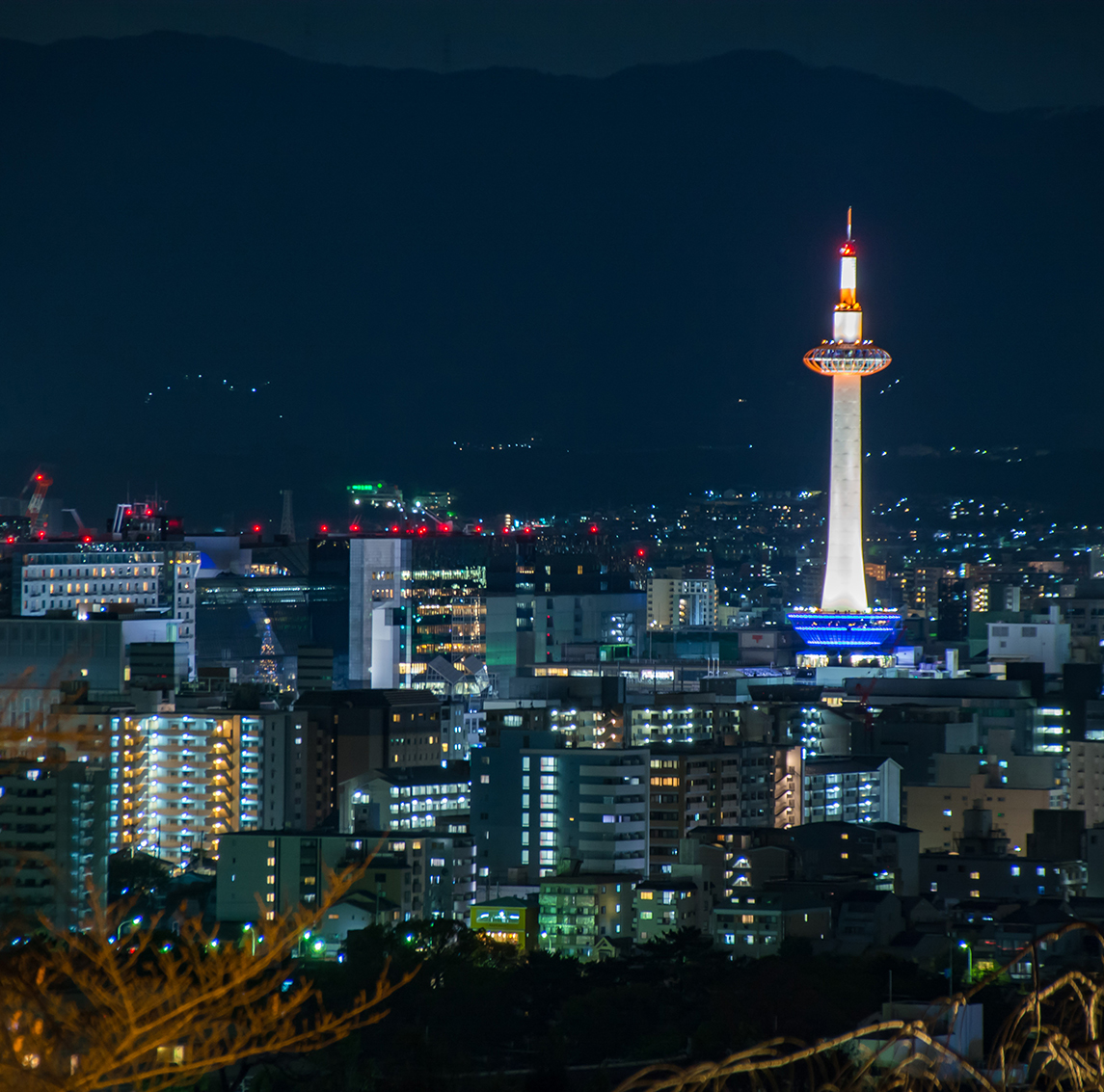
I have always believed that truly memorable travel destinations aren’t necessarily the cities with the most tourist hotspots, but rather those places where you can sense a unique atmosphere even during a brief visit.
Kyoto is exactly that kind of city.
When I first planned my trip to Kyoto, my impressions were shaped by countless photos and travel stories: ancient temples, traditional streets, people in kimonos, and the changing natural scenery across the seasons.
But once I actually arrived, I discovered that the city’s charm far surpassed what I had seen in pictures.
Kyoto lacks the frenetic pace of modern Tokyo and the boisterous, direct energy of Osaka. Instead, it feels like a history book slowly unfolding; every street, every building, and even every small shop holds its own story.
Here, travel isn’t just about ticking off tourist attractions—it’s about experiencing the local way of life.
From the quiet temples at dawn to the illuminated traditional districts at dusk, and the hidden shops tucked away on street corners, I gradually realized that what draws me most to Kyoto is its ability to make you slow down.
That is precisely why Kyoto has long been a destination I’ve wanted to explore in depth.
First Impressions of Kyoto: A City Where Tradition and Modernity Intertwine
On my first day in Kyoto, I was struck by just how unique the city is.
Although Kyoto boasts a long history, it is by no means a city stuck in the past.
Modern transport, convenience stores, cafés, and shopping districts blend seamlessly with traditional architecture, allowing visitors to experience Japanese tradition while enjoying the conveniences of modern travel.
As I walked the streets of Kyoto, I often saw modern, stylish shops standing right next to traditional wooden buildings.
This fusion of old and new gives Kyoto a unique sense of balance.
Unlike the overly commercialized districts found in some tourist cities, many parts of Kyoto retain a quiet, natural, and authentic atmosphere.
This is especially true in the morning before the crowds arrive; strolling through the streets, you can feel a profound sense of peace.
For those who love photography, cultural experiences, or “slow travel,” this city’s pace is incredibly pleasant.
Kiyomizu-dera and the Higashiyama District: The Start of a Cultural Journey in Kyoto
Kiyomizu-dera is a must-visit destination for almost everyone traveling to Kyoto.
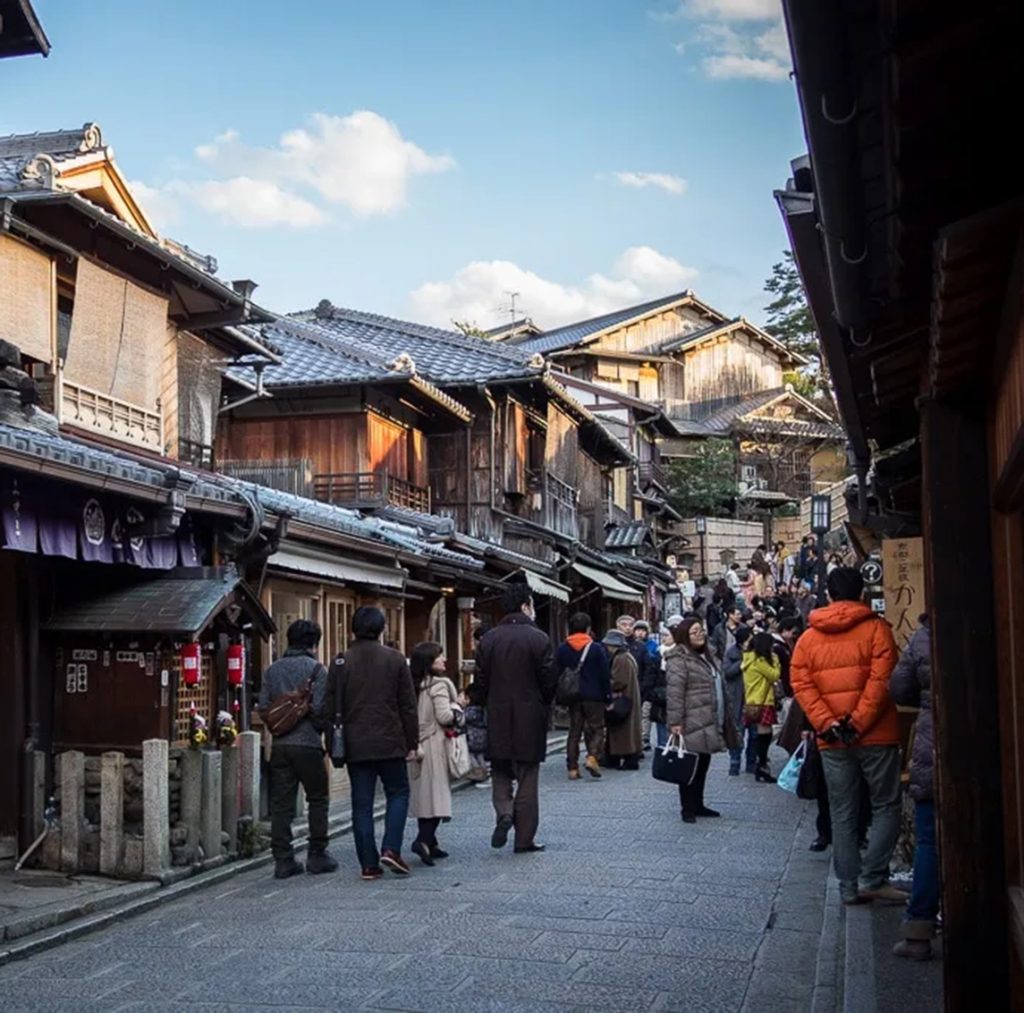
As I made my way toward the temple for the first time, I was captivated by the traditional streetscapes along the route. The Higashiyama area preserves many architectural features characteristic of Kyoto; its cobblestone streets, wooden machiya (traditional townhouses), and old-fashioned shops imbue the entire district with a sense of history.
Despite the large number of tourists, the area still retains a unique cultural atmosphere that is quintessentially Kyoto.
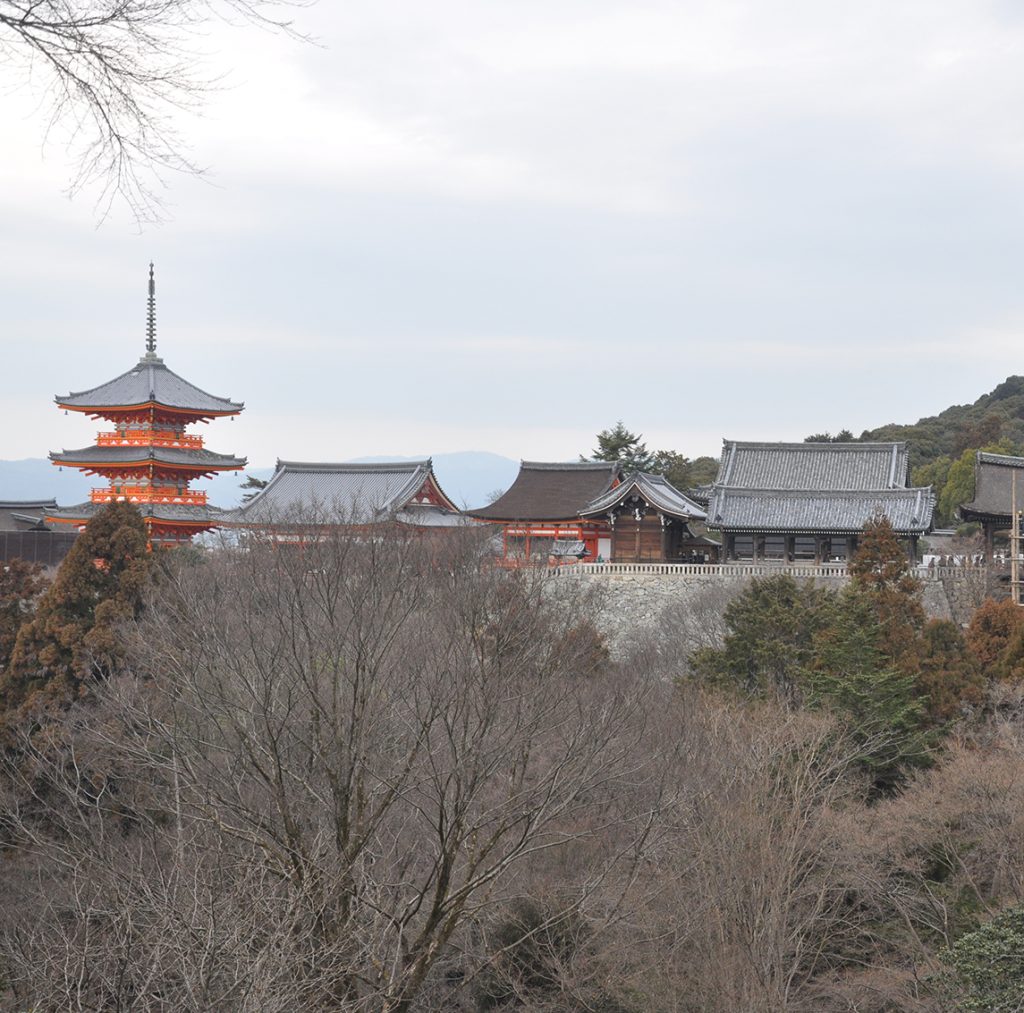
Upon entering Kiyomizu-dera, what struck me most was the harmonious blend of architecture and the natural environment.
Built into the hillside, the temple offers sweeping views of the city of Kyoto from its elevated vantage points.
Visiting in different seasons reveals completely different scenery.
In spring, when the cherry blossoms are in full bloom, the area is filled with a romantic ambiance;
In autumn, the changing colors of the foliage across the mountainside create a truly spectacular sight.
To me, the appeal of Kiyomizu-dera lies not merely in its status as a famous landmark, but in the way a visit allows one to experience the interplay between traditional Japanese architecture, religious culture, and the natural landscape.
Fushimi Inari Taisha: A Unique Journey Through the Thousand Torii Gates
If there is one place in Kyoto that leaves a lasting impression, Fushimi Inari Taisha is certainly among them.
I was immediately captivated by the unique sight of countless red torii gates forming a continuous pathway.
As you walk slowly up the mountain path, the rows of gates create a striking visual effect.
While many tourists stop to take photos near the entrance, continuing further up the mountain reveals a much quieter, more serene atmosphere.
For me, the most special part of the Fushimi Inari experience was the walk itself.
With every step forward, the crowds thinned, and the sounds of the city gradually faded into the distance.
This process made me feel as though I wasn’t just visiting a tourist attraction, but embarking on a journey to connect more deeply with Kyoto’s culture.
I recommend that visitors set aside plenty of time rather than just lingering at the entrance for photos.
Walking at a leisurely pace and observing the details of the surroundings allows you to truly appreciate the charm of the place.
A Trip to Arashiyama: Experiencing Another Side of Kyoto Through Nature
Beyond its historic architecture, Kyoto’s natural scenery is equally worth experiencing.
Arashiyama was one of my favorite stops during my trip to Kyoto.
The area boasts mountains, rivers, and the famous bamboo grove.
Visiting the bamboo grove early in the morning, when sunlight filters through the leaves, offers a wonderfully tranquil experience.
Compared to the busy daytime hours, the morning atmosphere in Arashiyama makes it much easier to feel the sense of relaxation that nature provides.
There is plenty more to explore in the area surrounding Arashiyama besides the bamboo grove.
You can take a stroll along the riverbank or enjoy the scenery from a sightseeing train. I’ve found that the best thing about traveling to Kyoto is that you don’t need to pack your schedule with too many activities.
Sometimes, simply strolling through the streets—admiring the scenery, enjoying a cup of coffee, or popping into a small shop—is an experience in itself.
Kyoto’s Culinary Scene: From Traditional Cuisine to Street Snacks
Food is a wonderful way to connect with local culture while traveling.
To me, Kyoto’s food culture feels refined and attentive to detail.
The city offers everything from high-end cuisine to casual snacks that any tourist can easily enjoy.
During my trip, I sampled local specialties like kaiseki (traditional multi-course dining), matcha desserts, and Kyoto-style confections.
The matcha-infused sweets, in particular, left a lasting impression on me.
As a region famous for its tea culture, Kyoto incorporates matcha into many of its desserts.
Beyond traditional cuisine, I also enjoyed discovering small cafés and eateries tucked away in the city’s alleyways.
These spots are often cozy and compact, yet they boast unique décor and a distinctive atmosphere.
Sometimes, even a simple lunch can become a cherished memory of the trip.
Shopping in Kyoto: Finding Unique Souvenirs
Kyoto is a fantastic city for shopping, offering much more than just sightseeing and food.
I prefer seeking out small shops with a local touch rather than sticking to large commercial districts.
Kyoto offers a wide array of traditional crafts, such as:
Japanese-style lifestyle goods;
Handmade accessories;
Traditional tea sets;
Unique souvenirs.
These items carry far more cultural significance than run-of-the-mill tourist trinkets.
To me, the true value of shopping while traveling isn’t just the purchase itself, but bringing home a tangible memory of the journey.
Whenever I see these little items, they instantly transport me back to those moments spent strolling through the streets of Kyoto.
Tips for Visiting Kyoto: How to Make the Most of the City
After my trip, my biggest piece of advice is to avoid over-scheduling your itinerary.
Kyoto is a city meant to be savored at a leisurely pace.
If you try to cram too many sights into a single day, you might miss out on the city’s hidden charms.
Personally, I recommend:
Visiting popular attractions early in the morning;
Spending the afternoon at a café or wandering through local neighborhoods;
Enjoying Kyoto’s night scenery in the evening.
Choosing the right season for your visit is also crucial.
Spring is perfect for cherry blossoms;
Autumn offers stunning fall foliage;
Summer lets you experience the atmosphere of traditional festivals;
Winter reveals a quieter, more serene side of Kyoto. Kyoto reveals a completely different charm depending on the season.
A journey through time and culture
This visit gave me a new perspective on the meaning of travel.
Kyoto is not a city to be rushed through just to check off a list of sights.
It is a place best explored at a leisurely pace.
From ancient temples to modern neighborhoods, and from traditional cuisine to unique boutiques, the city seamlessly blends the past with the present.
For me, Kyoto’s greatest appeal lies in its ability to let you slow down and savor the moment.
Whether you are interested in history, culture, or photography—or simply looking for a relaxing getaway—Kyoto is a destination well worth experiencing.
The next time I visit Japan, I hope to return to Kyoto and experience the city’s changing atmosphere across different seasons.
Tags: HiddenJapan, JapanTravel, KyotoGuide, KyotoJapan, KyotoTravel